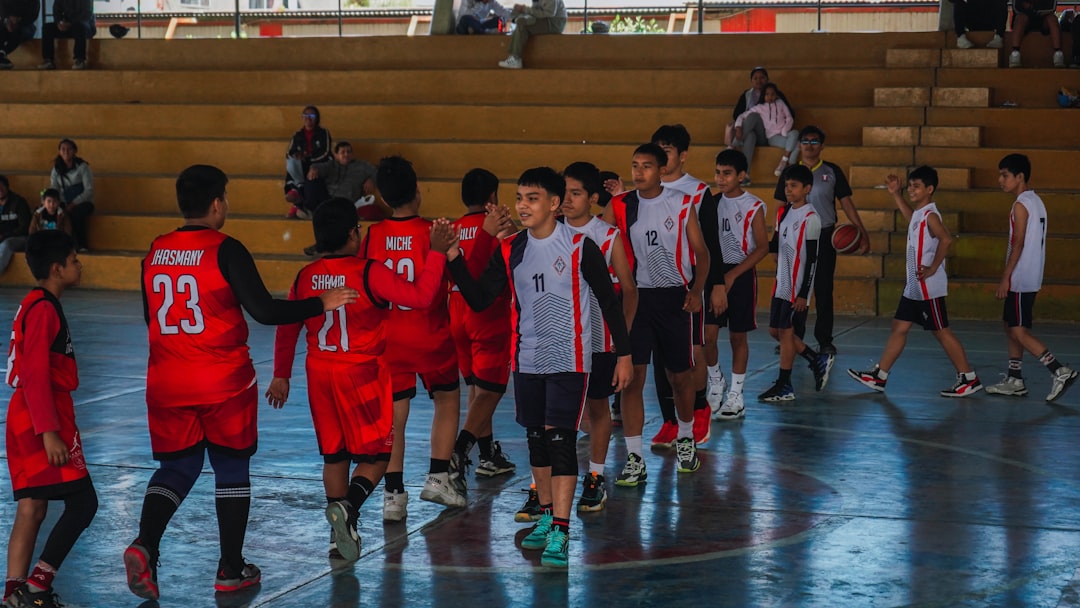
In the realm of youth sports, team meetings serve as a cornerstone for fostering communication, building camaraderie, and enhancing overall performance. These gatherings provide a platform for coaches, players, and sometimes even parents to come together, share ideas, and discuss strategies. You may find that these meetings are not just about discussing game tactics; they also play a crucial role in developing life skills such as teamwork, leadership, and effective communication.
By engaging in regular discussions, you can help create a sense of belonging among team members, which is essential for their emotional and social development. Moreover, team meetings allow for the establishment of clear expectations and goals. When everyone is on the same page regarding objectives, it becomes easier to work collectively towards achieving them.
You might notice that when players understand their roles and responsibilities, they are more likely to contribute positively to the team’s dynamics. This clarity can lead to improved performance on the field, as players feel empowered and motivated to give their best. Ultimately, the importance of team meetings in youth sports cannot be overstated; they are vital for nurturing a positive team culture and ensuring that everyone is aligned in their efforts.
Key Takeaways
- Regular team meetings are crucial for effective communication and team cohesion in youth sports.
- Establishing a consistent schedule and choosing an appropriate venue ensures maximum attendance and engagement.
- Preparing a clear agenda and assigning specific roles help keep meetings organized and productive.
- Involving parents through communication and coordination strengthens support and understanding.
- Addressing feedback, following up, and managing conflicts promptly improve team dynamics and performance.
Setting a Schedule for Team Meetings
Establishing a consistent schedule for team meetings is essential for maximizing participation and engagement. You should consider the availability of all team members when determining the frequency and timing of these gatherings. A well-planned schedule not only helps in ensuring that everyone can attend but also sets a routine that players can rely on.
For instance, you might choose to hold meetings weekly or bi-weekly, depending on the demands of the season and the availability of your players. By sticking to a regular schedule, you create an environment where team members anticipate these meetings and view them as an integral part of their sporting experience. In addition to frequency, you should also think about the duration of each meeting.
While it’s important to cover all necessary topics, keeping meetings concise can help maintain focus and enthusiasm. You may find that 30 to 60 minutes is an ideal timeframe for most youth sports teams. This allows enough time for discussion without overwhelming participants.
Furthermore, you can use tools like calendars or scheduling apps to send reminders about upcoming meetings, ensuring that everyone stays informed and engaged.
Selecting a Suitable Venue for Team Meetings
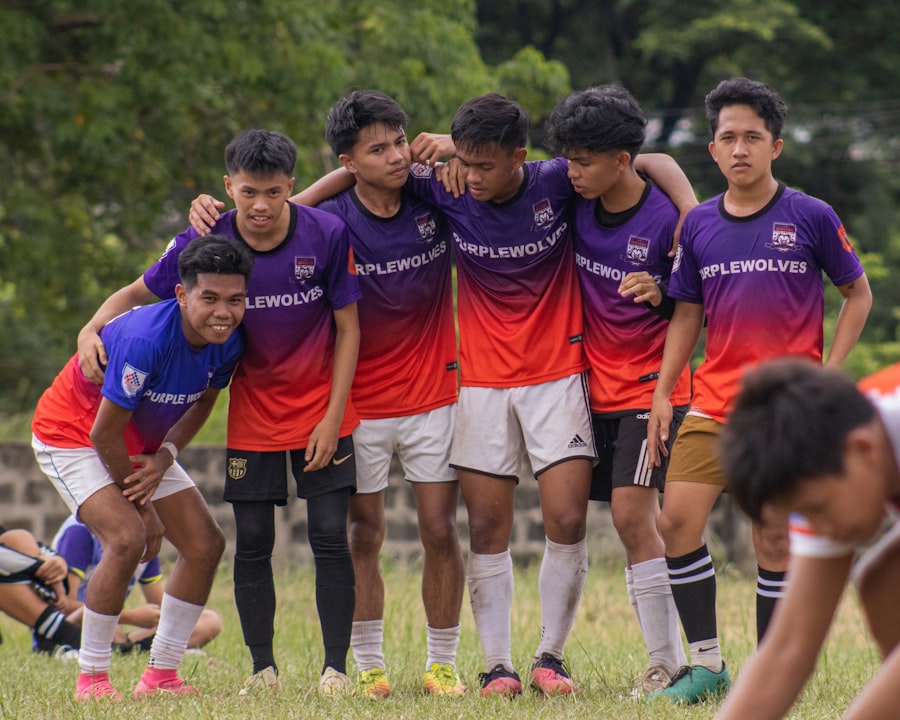
Choosing the right venue for your team meetings can significantly impact their effectiveness. You want a space that is comfortable, accessible, and conducive to open dialogue. Depending on your team’s size and needs, you might consider options such as community centers, school gymnasiums, or even outdoor spaces when weather permits.
The venue should be large enough to accommodate all participants while also providing an environment that encourages interaction and collaboration. You may also want to ensure that the location is easily reachable for all team members, minimizing any barriers to attendance. Additionally, consider the amenities available at your chosen venue.
Access to audiovisual equipment can enhance presentations and discussions, making it easier for you to convey important information. If your team meetings involve younger players, having a space where they can engage in activities or games before or after the meeting can help keep their energy levels up and make the experience more enjoyable. Ultimately, selecting a suitable venue is about creating an atmosphere where everyone feels comfortable contributing and participating.
Creating an Agenda for Team Meetings
An effective agenda is crucial for ensuring that your team meetings are productive and focused. As you prepare the agenda, think about the key topics that need to be addressed, such as game strategies, player development, or upcoming events. You might also want to include time for open discussion or questions from players and parents.
By outlining these topics in advance, you provide structure to the meeting and help participants understand what to expect. This preparation can lead to more meaningful conversations and a greater sense of purpose during the gathering. Moreover, sharing the agenda with team members ahead of time allows them to come prepared with their thoughts and questions.
You may find that this encourages more active participation during the meeting itself. Consider inviting input from players or parents when creating the agenda; this inclusivity can foster a sense of ownership among team members and make them feel valued. By prioritizing key issues while allowing room for flexibility, you can create an agenda that meets the needs of your team while promoting engagement and collaboration.
Assigning Roles and Responsibilities for Team Meetings
Assigning roles and responsibilities during team meetings can enhance participation and accountability among players. You might designate specific individuals to lead discussions on certain topics or facilitate activities during the meeting. For example, you could have a player responsible for taking notes or summarizing key points at the end of each meeting.
This not only empowers players but also helps them develop leadership skills that will serve them well both on and off the field. Additionally, involving parents in certain roles can strengthen the connection between home and the team environment. You could assign a parent volunteer to coordinate refreshments or manage logistics for meetings.
By distributing responsibilities among various participants, you create a collaborative atmosphere where everyone feels invested in the team’s success. This approach not only lightens your load as a coach but also fosters a sense of community among players and their families.
Communication and Coordination with Parents
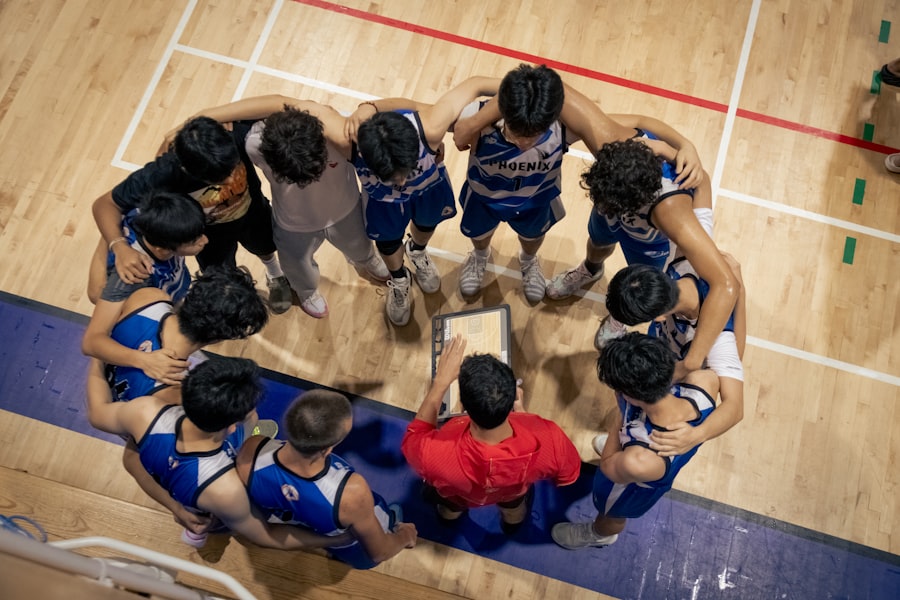
Effective communication with parents is vital in youth sports, as they play an essential role in supporting their children’s athletic endeavors. Keeping parents informed about team meetings, schedules, and expectations fosters transparency and builds trust within the community. You might consider sending out regular updates via email or using group messaging apps to ensure that everyone stays in the loop.
By maintaining open lines of communication, you empower parents to be active participants in their children’s sports experience. Moreover, involving parents in discussions during team meetings can provide valuable insights and perspectives. You may want to allocate time for parents to voice their concerns or suggestions regarding team dynamics or logistics.
This inclusion not only strengthens relationships but also demonstrates that you value their input as part of the decision-making process. By fostering a collaborative environment between coaches, players, and parents, you create a supportive network that enhances the overall experience for everyone involved.
Implementing Feedback and Follow-Up after Team Meetings
After each team meeting, it’s essential to implement feedback and follow up on action items discussed during the gathering. You might consider sending out a summary of key points along with any decisions made or tasks assigned to ensure everyone is on the same page moving forward. This follow-up not only reinforces accountability but also demonstrates your commitment to continuous improvement within the team.
Encouraging feedback from players and parents after meetings can provide valuable insights into what worked well and what could be improved in future gatherings. You may find that conducting brief surveys or informal check-ins can help gauge their thoughts on meeting effectiveness. By actively seeking input and making adjustments based on feedback, you create an environment where everyone feels heard and valued.
This iterative process contributes to building a stronger team culture over time.
Managing and Resolving Conflicts during Team Meetings
Conflicts may arise during team meetings due to differing opinions or misunderstandings among players or parents. As a coach or facilitator, it’s crucial to approach these situations with empathy and professionalism. When conflicts occur, encourage open dialogue by allowing each party to express their perspective without interruption.
You might find that simply providing a safe space for discussion can lead to resolution more effectively than imposing solutions from above. Additionally, consider implementing conflict resolution strategies such as mediation or compromise when necessary. You may need to guide participants toward finding common ground or agreeing on a course of action that satisfies all parties involved.
By addressing conflicts head-on rather than avoiding them, you demonstrate strong leadership skills while fostering an environment where everyone feels respected and valued. Ultimately, managing conflicts effectively contributes to a healthier team dynamic and enhances overall cohesion among players and families alike. In conclusion, team meetings are an invaluable aspect of youth sports that contribute significantly to player development, communication, and community building.
By prioritizing these gatherings through careful planning—such as setting schedules, selecting venues, creating agendas, assigning roles, communicating with parents, implementing feedback, and managing conflicts—you can cultivate an environment where young athletes thrive both on and off the field. Embracing these practices will not only enhance your team’s performance but also enrich the overall experience for everyone involved in youth sports.
When coordinating meetings for youth sports teams, it’s essential to utilize effective scheduling tools to ensure everyone can participate. For a comprehensive overview of the best online tools available for scheduling group meetings, you can refer to the article on 5 Best Online Tools for Scheduling Group Meetings. This resource provides valuable insights that can help streamline the coordination process, making it easier for coaches and parents to find suitable times for team gatherings.
FAQs
What is the purpose of a youth sports team meeting?
A youth sports team meeting is held to discuss important information such as practice schedules, game dates, team rules, player roles, and to foster communication between coaches, players, and parents.
Who should attend youth sports team meetings?
Typically, youth sports team meetings are attended by coaches, players, and parents or guardians to ensure everyone is informed and involved in the team’s activities and expectations.
How often should youth sports team meetings be held?
The frequency of meetings varies but commonly they are held at the start of the season, periodically throughout the season, and after the season ends to review performance and plan for the future.
What topics are usually covered in a youth sports team meeting?
Common topics include practice and game schedules, team rules and expectations, safety protocols, player development goals, volunteer opportunities, and communication methods.
How can coaches effectively coordinate youth sports team meetings?
Coaches can coordinate meetings by setting clear agendas, choosing convenient times and locations, sending timely reminders, and encouraging open communication among all participants.
What tools can be used to organize youth sports team meetings?
Tools such as email, team management apps, group messaging platforms, online calendars, and video conferencing software can help organize and facilitate meetings efficiently.
Why is parent involvement important in youth sports team meetings?
Parent involvement ensures support for players, helps reinforce team rules and values at home, and fosters a positive environment for the team’s success and player development.
How can conflicts be managed during youth sports team meetings?
Conflicts can be managed by establishing ground rules for respectful communication, addressing issues promptly, encouraging open dialogue, and involving neutral mediators if necessary.
What should be done after a youth sports team meeting?
After the meeting, it is helpful to distribute meeting minutes or summaries, follow up on action items, and maintain ongoing communication to keep everyone informed and engaged.
Leave a Reply