
In any collaborative environment, understanding everyone’s availability is crucial for effective teamwork. You may find that each member of your group has different commitments, whether they are professional obligations, personal responsibilities, or even varying time zones. Recognizing these differences is the first step toward fostering a cooperative atmosphere.
By taking the time to gather information about when each person is free, you can create a more inclusive environment that respects individual schedules and promotes participation. To achieve this understanding, consider conducting a simple survey or using a scheduling tool that allows everyone to indicate their available times. This not only helps you gather the necessary information but also encourages team members to communicate openly about their commitments.
When you show that you value their time and input, it builds trust and sets a positive tone for future interactions. Ultimately, understanding everyone’s availability lays the groundwork for effective communication and collaboration.
Key Takeaways
- Assess and respect each person’s availability to plan effectively.
- Foster open communication and teamwork for smooth scheduling.
- Use scheduling tools and technology to coordinate efficiently.
- Prioritize tasks and be willing to compromise when conflicts arise.
- Maintain flexibility and regularly update the schedule as needed.
Communication and Collaboration
Effective communication is the backbone of any successful collaboration. You need to ensure that all team members feel comfortable sharing their ideas and concerns. This can be achieved through regular check-ins, whether they are formal meetings or informal catch-ups.
By fostering an open dialogue, you create an environment where everyone feels valued and heard. This not only enhances creativity but also helps in resolving conflicts before they escalate. Moreover, collaboration thrives on clarity.
When you communicate your goals and expectations clearly, it allows everyone to align their efforts toward a common objective. Encourage team members to ask questions and provide feedback, as this can lead to innovative solutions and a stronger sense of ownership over the project. Remember, collaboration is not just about working together; it’s about building relationships that enhance the overall effectiveness of your team.
Utilizing Technology for Scheduling
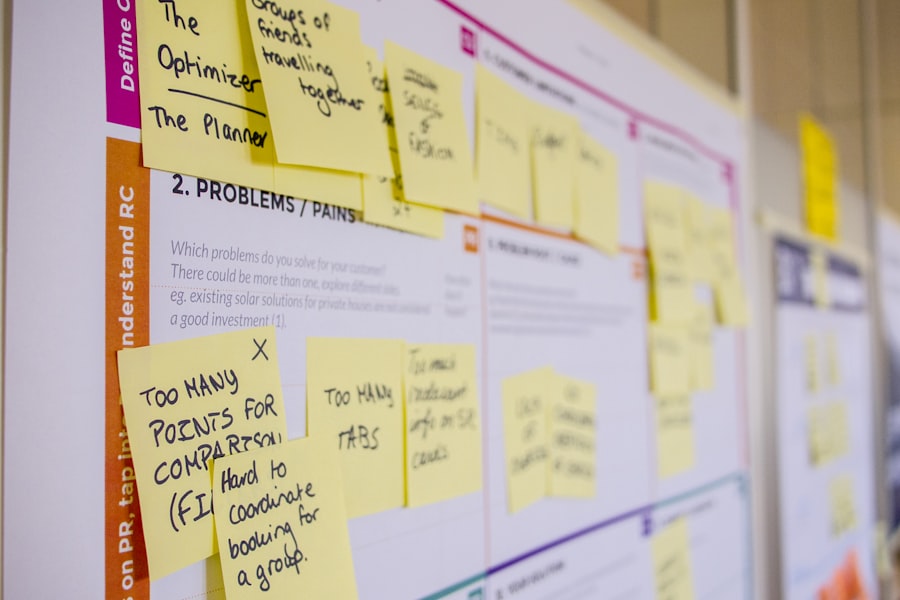
In today’s fast-paced world, technology plays a pivotal role in streamlining scheduling processes. You have access to a plethora of tools designed to simplify the way you coordinate meetings and manage time. From calendar applications to project management software, these resources can help you visualize everyone’s availability and find suitable meeting times with ease.
By leveraging technology, you can eliminate the back-and-forth emails that often accompany scheduling and instead focus on what truly matters: your work. Additionally, many scheduling tools offer features like reminders and notifications, which can help keep everyone on track. You can set up automatic alerts for upcoming meetings or deadlines, ensuring that no one misses important events.
This not only enhances accountability but also allows your team to stay organized and focused on their tasks. Embracing technology in your scheduling efforts can significantly improve efficiency and foster a more productive work environment.
Prioritizing and Compromising
In any collaborative effort, prioritization is key. You may find that different team members have varying opinions on what tasks should take precedence. To navigate this, it’s essential to engage in open discussions about priorities and deadlines.
By allowing everyone to voice their perspectives, you can collectively determine which tasks are most critical to your project’s success. This collaborative approach not only fosters a sense of ownership but also ensures that everyone is on the same page. Compromise is another vital aspect of prioritization.
You may need to make concessions to accommodate different viewpoints and schedules. This could mean adjusting deadlines or redistributing tasks based on individual strengths and availability. By demonstrating flexibility and a willingness to adapt, you create an environment where team members feel respected and valued.
Ultimately, prioritizing effectively while being open to compromise will lead to a more harmonious and productive collaboration.
Creating a Master Schedule
A master schedule serves as a central reference point for all team members, providing clarity on deadlines, meetings, and project milestones. As you create this schedule, consider incorporating input from all team members to ensure it reflects everyone’s availability and commitments. This collaborative approach not only enhances buy-in but also helps identify potential conflicts early on.
A well-structured master schedule can serve as a roadmap for your project, guiding your team toward successful completion. When developing your master schedule, be sure to include key milestones and deadlines that are relevant to the entire team. This will help everyone stay focused on their individual tasks while keeping the bigger picture in mind.
Additionally, consider using color-coding or visual aids to make the schedule more accessible and engaging. A clear and visually appealing master schedule can motivate your team and foster a sense of accountability as they work toward shared goals.
Flexibility and Adaptability

In any collaborative setting, flexibility is essential. You may encounter unexpected challenges or changes in availability that require you to adjust your plans. Embracing adaptability allows you to respond effectively to these situations without derailing your progress.
Encourage your team to adopt a mindset of flexibility, reminding them that change is often a natural part of the collaborative process. Being adaptable also means being open to new ideas and approaches. As you work together, you may discover more efficient ways of completing tasks or innovative solutions to problems.
By fostering an environment where experimentation is encouraged, you empower your team to think creatively and embrace change as an opportunity for growth. Ultimately, flexibility and adaptability will enhance your team’s resilience and ability to navigate challenges successfully.
Setting Clear Expectations
Setting clear expectations is fundamental to ensuring that everyone understands their roles and responsibilities within the team. As you embark on a collaborative project, take the time to outline specific goals, deadlines, and individual contributions. This clarity helps prevent misunderstandings and ensures that everyone is aligned in their efforts.
When expectations are communicated effectively, it fosters accountability and encourages team members to take ownership of their tasks. Moreover, consider establishing guidelines for communication and collaboration as part of your expectations. This could include preferred methods of communication, response times for emails or messages, and protocols for providing feedback.
By setting these standards upfront, you create a framework that promotes effective teamwork while minimizing potential conflicts down the line. Clear expectations serve as a foundation for successful collaboration, allowing your team to work cohesively toward shared objectives.
Regularly Reviewing and Adjusting the Schedule
Regularly reviewing and adjusting the schedule is crucial for maintaining momentum in any collaborative project. As circumstances change—whether due to unforeseen challenges or shifts in priorities—it’s essential to revisit your master schedule and make necessary adjustments. Encourage your team to participate in these reviews, as their insights can provide valuable perspectives on what is working well and what may need improvement.
During these review sessions, take the opportunity to celebrate achievements and acknowledge progress made thus far. Recognizing milestones fosters motivation and reinforces a sense of accomplishment within the team. Additionally, be open to feedback regarding the scheduling process itself; this can help identify areas for improvement and enhance overall efficiency moving forward.
By regularly reviewing and adjusting the schedule, you ensure that your team remains agile and responsive to changing needs while staying focused on achieving collective goals. In conclusion, effective collaboration hinges on understanding availability, fostering communication, utilizing technology, prioritizing tasks, creating structured schedules, embracing flexibility, setting clear expectations, and regularly reviewing progress. By implementing these strategies in your collaborative efforts, you can cultivate an environment where teamwork thrives and projects succeed.
Remember that collaboration is not just about completing tasks; it’s about building relationships that enhance creativity, innovation, and overall effectiveness within your team.
When trying to coordinate schedules among a group with varying availabilities, it can be helpful to explore different tools and strategies. For instance, you might find it beneficial to read the article on top free tools for group schedule management, which provides insights into various applications that can simplify the scheduling process. These tools can help streamline communication and make it easier to find a suitable time for everyone involved.
FAQs
What is the best way to find a common meeting time when everyone has different availability?
The best way is to use scheduling tools or apps that allow participants to indicate their available times. This helps identify overlapping time slots that work for everyone.
Are there any tools that can help coordinate schedules for groups?
Yes, tools like Doodle, When2Meet, Google Calendar, and Microsoft FindTime are popular for coordinating group schedules and finding mutually convenient meeting times.
How can I handle scheduling if participants are in different time zones?
Use scheduling tools that automatically adjust for time zones, or clearly communicate all times in a standard time zone (e.g., UTC) and confirm with participants to avoid confusion.
What should I do if no single time works for everyone?
Consider splitting the meeting into multiple sessions, recording the meeting for those who cannot attend, or prioritizing key participants to find the best compromise.
Is it helpful to set a deadline for participants to submit their availability?
Yes, setting a clear deadline encourages timely responses and helps finalize the schedule more efficiently.
How can I accommodate last-minute changes in availability?
Maintain flexibility by having backup time slots and communicate promptly with all participants if changes occur. Using dynamic scheduling tools can also help manage updates easily.
What are some best practices for scheduling meetings with diverse availability?
Best practices include collecting availability early, using scheduling tools, considering time zones, setting clear deadlines, communicating transparently, and being flexible with meeting formats or times.
Leave a Reply