
In today’s digital age, remote work has become a norm for many organizations. As you navigate this new landscape, fostering a sense of connection and camaraderie among your team members is crucial. Remote team building activities serve as a bridge to close the gap created by physical distance.
These activities not only enhance communication but also promote collaboration and trust among team members. By engaging in purposeful and enjoyable activities, you can cultivate a positive work environment that boosts morale and productivity. The importance of remote team building cannot be overstated.
When team members feel connected, they are more likely to collaborate effectively, share ideas, and support one another. This sense of belonging can lead to increased job satisfaction and lower turnover rates. As you embark on the journey of implementing remote team building activities, it’s essential to understand the unique dynamics of your team and tailor your approach accordingly.
By doing so, you can create meaningful experiences that resonate with everyone involved.
Key Takeaways
- Understand the importance of remote team building to enhance collaboration and morale.
- Assess your team’s specific needs and goals before selecting activities.
- Choose and plan activities that fit your team’s dynamics and schedule effectively.
- Communicate clearly and engage team members throughout the process.
- Evaluate outcomes to refine and improve future remote team building efforts.
Identifying the Needs and Goals of Your Team
Before diving into specific activities, it’s vital to assess the needs and goals of your team. Take the time to reflect on what you hope to achieve through these activities. Are you looking to improve communication, foster collaboration, or simply provide a fun break from work?
Engaging in open discussions with your team can help you gather valuable insights into their preferences and expectations. This collaborative approach ensures that everyone feels included in the planning process. Additionally, consider the diverse personalities and work styles within your team.
Some individuals may thrive in competitive environments, while others may prefer cooperative activities that emphasize teamwork. By identifying these nuances, you can select activities that cater to various preferences, ensuring that everyone feels comfortable and engaged. Ultimately, understanding your team’s needs will guide you in creating a tailored experience that resonates with all members.
Choosing the Right Remote Team Building Activities
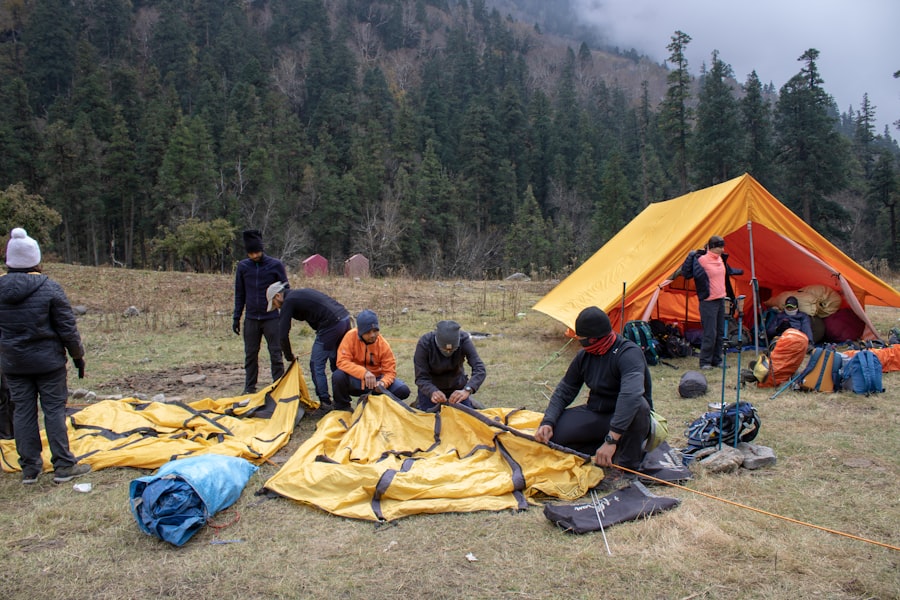
With a clear understanding of your team’s needs and goals, it’s time to explore the myriad of remote team building activities available. The options are vast, ranging from virtual escape rooms and trivia games to collaborative projects and online workshops. When selecting activities, consider factors such as the size of your team, the time available, and the desired outcomes.
Striking a balance between fun and purpose is key to ensuring that everyone remains engaged. Moreover, think about incorporating activities that align with your team’s interests and values. For instance, if your team is passionate about social causes, consider organizing a virtual volunteering event or a charity fundraiser.
Alternatively, if creativity is a strong suit among your members, art-based activities like virtual painting classes can be both enjoyable and enriching. By choosing activities that resonate with your team’s passions, you can create memorable experiences that strengthen bonds and foster a sense of community.
Planning and Scheduling the Activities
Once you’ve selected the right activities, effective planning and scheduling become paramount. Start by determining a timeline that accommodates everyone’s availability. Consider using scheduling tools or polls to find common time slots that work for all team members.
Flexibility is essential; after all, remote teams often span different time zones and personal commitments. In addition to scheduling, think about the logistics involved in each activity. Ensure that all necessary tools and platforms are set up in advance to avoid technical hiccups during the event.
If an activity requires specific materials or resources, communicate this information clearly to your team ahead of time. A well-organized plan not only enhances the overall experience but also demonstrates your commitment to making the event enjoyable for everyone involved.
Communicating and Engaging with Your Team
Effective communication is the backbone of successful remote team building activities. As you prepare for the event, keep your team informed about what to expect. Share details about the activities, including their purpose and how they align with your team’s goals.
This transparency fosters excitement and encourages participation. During the activities themselves, strive to create an inclusive atmosphere where everyone feels comfortable contributing. Encourage open dialogue and active participation by asking questions and prompting discussions.
Utilize breakout rooms for smaller group interactions if applicable; this can help quieter team members feel more at ease sharing their thoughts. By actively engaging with your team throughout the process, you can create a dynamic environment that promotes collaboration and connection.
Facilitating the Remote Team Building Activities
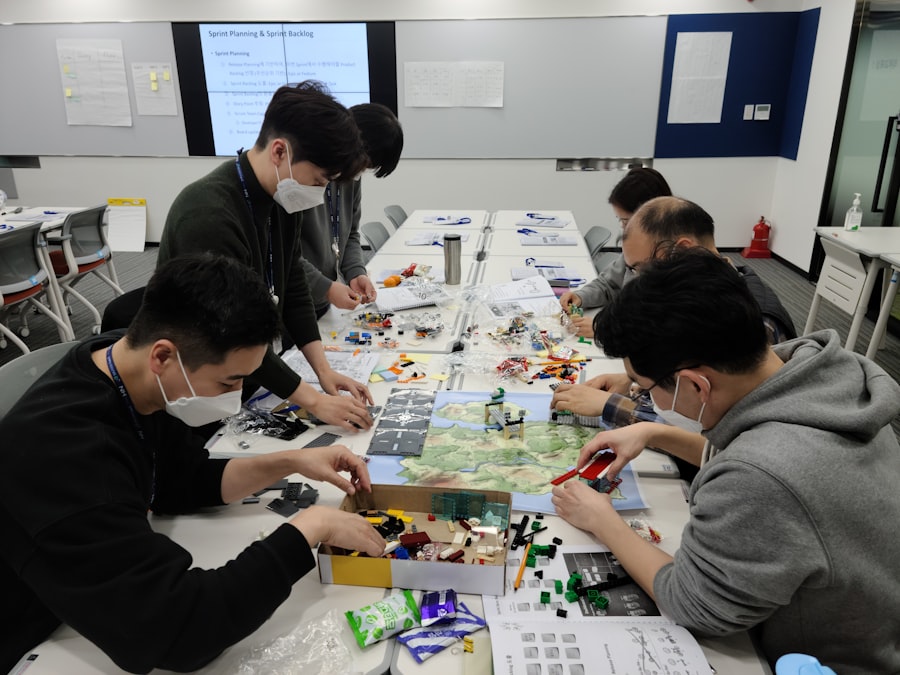
As the facilitator of remote team building activities, your role is crucial in ensuring everything runs smoothly. Begin by setting a positive tone at the start of each session; your enthusiasm can be contagious! Clearly outline the agenda and objectives for the day, so everyone knows what to expect.
This clarity helps participants feel more comfortable and engaged. Throughout the activities, remain attentive to the dynamics of the group. Be prepared to adapt if certain elements aren’t resonating as expected or if technical issues arise.
Flexibility is key; sometimes, spontaneous changes can lead to unexpected moments of fun and connection. Additionally, encourage feedback during and after each activity to gauge how participants are feeling. This responsiveness not only enhances the current experience but also informs future planning.
Evaluating the Impact and Effectiveness of the Activities
After completing your remote team building activities, it’s essential to evaluate their impact on your team. Gather feedback through surveys or informal discussions to understand what worked well and what could be improved. Ask specific questions about participants’ experiences, such as whether they felt more connected to their colleagues or if they enjoyed the activities themselves.
Analyzing this feedback will provide valuable insights into the effectiveness of your efforts. Look for patterns in responses that highlight strengths or areas for growth. For instance, if many participants enjoyed a particular activity but felt it could have been longer or more interactive, take note of this for future planning.
By evaluating the impact of your activities, you can continuously refine your approach to better meet your team’s needs.
Adapting and Improving Future Remote Team Building Activities
The journey of remote team building is an ongoing process that requires adaptation and improvement over time. Use the insights gained from evaluations to inform your future planning efforts. Consider experimenting with new types of activities or formats based on feedback received from your team members.
This willingness to evolve demonstrates your commitment to creating meaningful experiences that resonate with everyone. Additionally, stay attuned to changes within your team dynamics or organizational goals that may influence future activities. As new members join or existing members transition into different roles, it’s essential to reassess needs regularly.
By remaining flexible and responsive to these changes, you can ensure that your remote team building efforts continue to foster connection and collaboration in an ever-evolving work environment. In conclusion, remote team building activities play a vital role in nurturing relationships among team members in a digital workspace. By identifying needs, choosing appropriate activities, planning effectively, communicating openly, facilitating engaging experiences, evaluating impact, and adapting for improvement, you can create a thriving remote work culture that promotes collaboration and camaraderie among all members of your team.
Embrace this opportunity to strengthen connections and enhance productivity in your organization as you navigate the exciting world of remote work together.
When planning remote team building activities, it’s essential to consider various aspects to ensure a successful event. For additional insights on organizing group events without the stress, you can check out this helpful article on 7 Simple Steps to Plan a Group Event Without Stress. This resource provides practical tips that can enhance your planning process and help create a more engaging experience for your team.
FAQs
What are remote team building activities?
Remote team building activities are exercises or events designed to foster collaboration, communication, and camaraderie among team members who work from different locations. These activities are conducted virtually using online tools and platforms.
Why are remote team building activities important?
They help improve team cohesion, boost morale, enhance communication, and reduce feelings of isolation among remote employees. Effective team building can lead to increased productivity and a stronger company culture.
What types of remote team building activities can be planned?
Common activities include virtual games, online quizzes, collaborative projects, virtual coffee breaks, team challenges, and workshops. The choice depends on the team’s size, interests, and goals.
How do you choose the right remote team building activity?
Consider factors such as team size, time zones, interests, and the objectives of the activity. It’s important to select activities that are inclusive, engaging, and accessible to all team members.
What tools are commonly used for remote team building?
Popular tools include video conferencing platforms like Zoom or Microsoft Teams, collaboration tools like Slack or Trello, and specialized team building apps such as Kahoot!, Miro, or Donut.
How often should remote team building activities be held?
The frequency varies depending on the team’s needs and workload but generally ranges from monthly to quarterly. Regular activities help maintain engagement without overwhelming team members.
Can remote team building activities improve work performance?
Yes, by fostering better communication and trust among team members, remote team building activities can enhance collaboration and overall work performance.
Are there any challenges in planning remote team building activities?
Challenges include coordinating across different time zones, ensuring participation, overcoming technology barriers, and selecting activities that appeal to diverse team members.
How can leaders encourage participation in remote team building?
Leaders can encourage participation by clearly communicating the benefits, scheduling activities at convenient times, making activities fun and inclusive, and leading by example.
Is it necessary to have a facilitator for remote team building activities?
While not always necessary, having a facilitator can help organize the activity, keep it on track, and ensure that all participants are engaged and included.
Leave a Reply