
When you embark on planning an event, the first step is to set a clear agenda. This is not merely a list of topics to discuss; it serves as the backbone of your gathering, guiding every decision and action that follows. You need to consider the purpose of the meeting or event.
Are you aiming to celebrate a milestone, brainstorm ideas, or perhaps foster team bonding? By defining the primary objective, you can ensure that every item on your agenda aligns with this goal. Once you have established the purpose, it’s time to outline specific topics that need to be addressed.
This could include discussions on logistics, budget considerations, or even potential guest speakers. You should also think about the time allocated for each topic, ensuring that you leave room for open dialogue and questions. A well-structured agenda not only keeps everyone focused but also encourages participation, making attendees feel valued and engaged in the process.
Key Takeaways
- Clearly define the meeting agenda to ensure focused discussions.
- Assign specific responsibilities to team members for accountability.
- Select a convenient time and location to maximize attendance.
- Set a realistic budget to guide spending decisions.
- Maintain open communication and follow-up to track progress and celebrate achievements.
Assigning Responsibilities
With a clear agenda in place, the next step is to assign responsibilities. This is where you can leverage the strengths of your team members, ensuring that each person has a role that suits their skills and interests. You might find it helpful to create a list of tasks derived from your agenda and then match these tasks with individuals who have the expertise or enthusiasm to tackle them.
For instance, if someone excels in communication, they could be responsible for outreach and invitations. It’s essential to communicate expectations clearly when assigning responsibilities. Each team member should understand not only what they are responsible for but also the timeline for completion and how their role fits into the larger picture.
Regular check-ins can help keep everyone accountable and provide opportunities for collaboration. By fostering a sense of ownership among your team members, you can enhance motivation and ensure that everyone is working towards a common goal.
Choosing a Meeting Time and Location
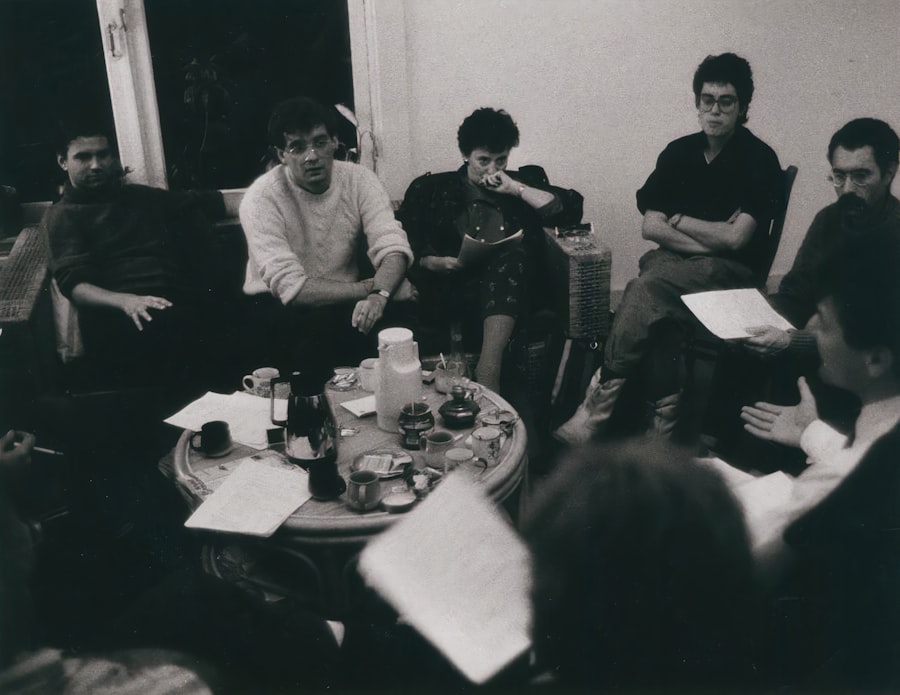
Selecting an appropriate time and location for your meeting or event is crucial for maximizing attendance and engagement. You should consider the schedules of all participants when proposing dates and times. Utilizing tools like Doodle polls or shared calendars can help you find a consensus that accommodates everyone’s availability.
Flexibility is key; sometimes, you may need to adjust your plans based on the preferences of your team. The location of your meeting can significantly impact its success. If it’s an in-person gathering, think about accessibility, comfort, and the atmosphere of the venue.
A well-lit, spacious room can foster creativity and collaboration, while a cramped or noisy environment may stifle discussion. If your meeting is virtual, ensure that the chosen platform is user-friendly and accessible to all participants. Regardless of the format, creating an inviting atmosphere will encourage open communication and make attendees feel more at ease.
Establishing a Budget
Establishing a budget is a critical step in the planning process that requires careful consideration. You need to assess all potential costs associated with your event, from venue rental and catering to materials and decorations. It’s wise to create a detailed budget spreadsheet that outlines each expense category, allowing you to track spending as you go along.
This will help you avoid overspending and ensure that you stay within your financial limits. In addition to direct costs, consider any hidden expenses that may arise. For example, if you’re hosting an outdoor event, you might need to budget for permits or insurance.
It’s also prudent to set aside a contingency fund for unexpected costs that could arise closer to the date. By being thorough in your budgeting process, you can alleviate financial stress and focus on creating a memorable experience for all involved.
Researching Gift Options
If your event includes gift-giving—whether it’s for attendees, speakers, or volunteers—researching gift options is an important task that requires thoughtfulness and creativity. You want to choose gifts that are meaningful and reflect the spirit of your gathering. Start by considering the interests and preferences of your recipients; personalized gifts often leave a lasting impression and show that you value their contributions.
You should also explore various types of gifts that align with your budget. From practical items like notebooks or pens to more experiential gifts such as gift cards or tickets to events, there are countless options available. Don’t forget to consider eco-friendly choices as well; sustainable gifts can resonate well with recipients who value environmental responsibility.
By taking the time to research and select thoughtful gifts, you can enhance the overall experience of your event and leave attendees feeling appreciated.
Communication and Follow-Up

Effective communication is vital throughout the planning process and beyond. Once you have established your agenda, assigned responsibilities, and set a date, it’s time to communicate these details clearly to all participants. Utilize various channels such as emails, group chats, or project management tools to keep everyone informed and engaged.
Regular updates can help maintain enthusiasm and ensure that everyone is on the same page. After the event concludes, follow-up communication is equally important. Sending thank-you notes or emails to attendees not only expresses gratitude but also reinforces connections made during the gathering.
You might also consider soliciting feedback through surveys or informal conversations; this information can be invaluable for improving future events. By prioritizing communication at every stage, you foster a culture of transparency and collaboration that benefits everyone involved.
Decision Making Process
The decision-making process is often one of the most challenging aspects of planning an event. With multiple stakeholders involved, it’s essential to establish a clear framework for making choices that align with your agenda and budget. You might consider using consensus-building techniques where all voices are heard before arriving at a decision.
This approach not only fosters inclusivity but also ensures that everyone feels invested in the outcome. In some cases, it may be necessary to delegate decision-making authority to specific individuals or subcommittees based on their expertise or roles within the planning team. This can streamline the process and allow for quicker resolutions on certain matters.
Regardless of how decisions are made, documenting them is crucial; keeping a record ensures accountability and provides clarity for future reference.
Celebrating Success
Once your event has concluded successfully, take time to celebrate that achievement with your team. Recognizing hard work fosters morale and encourages continued collaboration in future projects. You might organize a small gathering or send out congratulatory messages highlighting individual contributions; this acknowledgment can go a long way in building team spirit.
Additionally, reflecting on what went well—and what could be improved—can provide valuable insights for future events. Consider holding a debriefing session where team members can share their thoughts openly; this not only helps in learning but also reinforces a culture of continuous improvement. By celebrating success together, you strengthen relationships within your team and lay the groundwork for even greater accomplishments in the future.
In conclusion, planning an event involves multiple steps that require careful consideration and collaboration among team members. From setting a clear agenda to celebrating success afterward, each phase plays a vital role in ensuring a successful outcome. By following these guidelines, you can create an engaging experience that resonates with participants long after it concludes.
When organizing group gift planning meetings, it’s essential to ensure that everyone is on the same page and that the process runs smoothly. For additional tips on managing group events effectively, you might find the article on 7 Simple Steps to Plan a Group Event Without Stress particularly helpful. This resource provides practical advice that can enhance your planning experience and help you coordinate with ease.
FAQs
What is the purpose of a group gift planning meeting?
A group gift planning meeting is held to organize and coordinate the efforts of multiple people who want to contribute to a collective gift. The meeting helps decide the type of gift, budget, contributions, and logistics to ensure a smooth and successful group gifting experience.
Who should be involved in a group gift planning meeting?
Typically, the meeting includes all individuals interested in contributing to the group gift. This may include friends, family members, coworkers, or members of an organization. It is important to involve key decision-makers and contributors to ensure everyone’s input is considered.
How do you schedule a group gift planning meeting?
To schedule a meeting, identify a date and time that works for most participants. Use tools like group emails, messaging apps, or scheduling platforms (e.g., Doodle or Google Calendar) to find a convenient time. Providing multiple options and confirming attendance helps maximize participation.
What topics should be covered during the meeting?
Key topics include the occasion for the gift, budget limits, types of gifts to consider, who will contribute and how much, deadlines for contributions, purchasing responsibilities, and delivery or presentation plans. Assigning roles and setting clear deadlines are also important.
How can technology assist in coordinating group gift planning meetings?
Technology can facilitate communication and organization through video conferencing tools (Zoom, Google Meet), shared documents (Google Docs, Sheets), and group messaging apps (WhatsApp, Slack). These tools help keep everyone informed, track contributions, and manage tasks efficiently.
What are some best practices for successful group gift planning meetings?
Best practices include setting a clear agenda, keeping the meeting focused and time-efficient, encouraging open communication, documenting decisions and action items, and following up with participants after the meeting to ensure progress.
How do you handle contributions and payments in group gift planning?
Decide on a secure and convenient method for collecting contributions, such as using payment apps (Venmo, PayPal), bank transfers, or cash collection. Assign a trusted person to manage funds and provide transparent updates to contributors.
What should be done if some members cannot attend the meeting?
Share meeting notes and decisions with absent members via email or messaging platforms. Encourage them to provide input beforehand or afterward to ensure their opinions are considered. Consider recording virtual meetings for later viewing.
How far in advance should a group gift planning meeting be held?
It is advisable to hold the meeting well in advance of the gift-giving occasion, typically several weeks prior. This allows enough time for collecting contributions, purchasing the gift, and arranging delivery or presentation.
What if the group cannot agree on the gift or budget?
If disagreements arise, consider voting on options or seeking a compromise that accommodates most participants. Clear communication and focusing on the purpose of the gift can help resolve conflicts. If necessary, smaller subgroups can handle specific decisions.
Leave a Reply